
About Data Centers
What is a data center?
Data centers are physical buildings filled with computers and information technology (IT) equipment like server racks that process artificial intelligence (AI) requests, run the internet, and store data in the cloud. Data centers come in many shapes and sizes, from small server rooms in office buildings to massive warehouse-sized facilities operated by tech giants like Google, Microsoft, Meta, and Amazon. The newest generation of “hyperscale” data centers, specifically built to handle AI workloads, can use as much electricity as entire cities and huge amounts of water for cooling. These facilities also take up a lot of space – one of the biggest Meta data centers has the physical footprint of around 25 Walmart Supercenters.

What do data centers do?
On average:
Large “hyperscale” data centers have energy capacities between 50 megawatts (MW) and 1 gigawatt (GW).
The largest currently operating data center in Illinois is 158 MW, which is enough electricity to power roughly 150,000 homes. A recently approved data center in Joliet, Illinois, will run on 1800 MW.
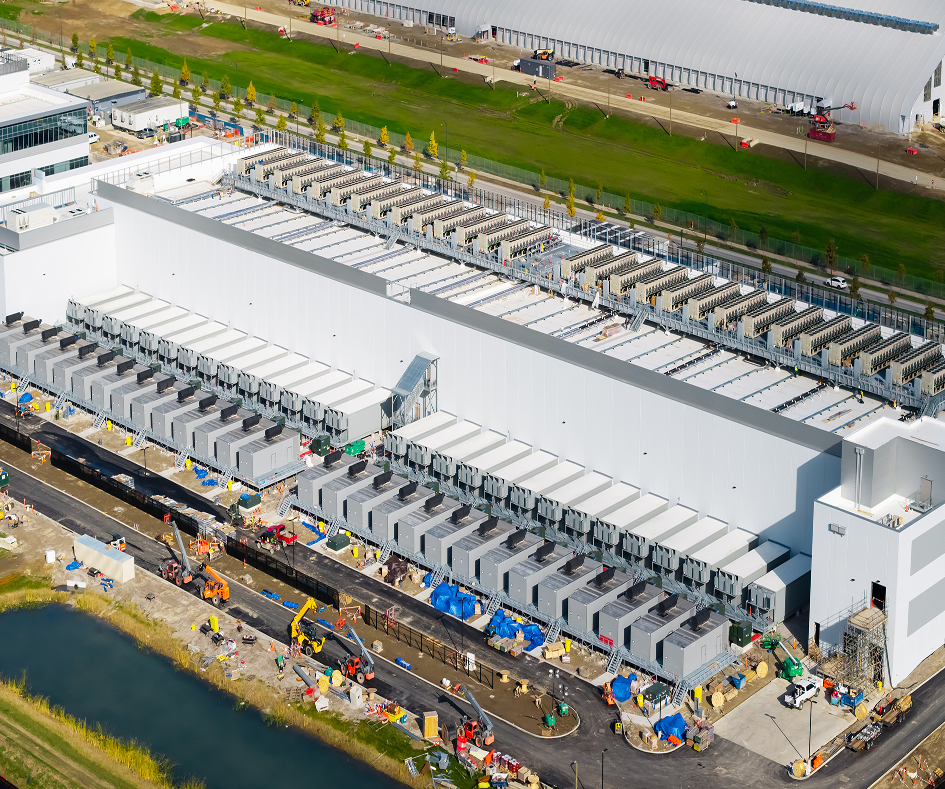
Data centers range from 30,000 to millions of square feet in size.
One of the largest data centers in the U.S. is 4.6 million square feet. This land will be difficult to turn into anything besides light industrial use.
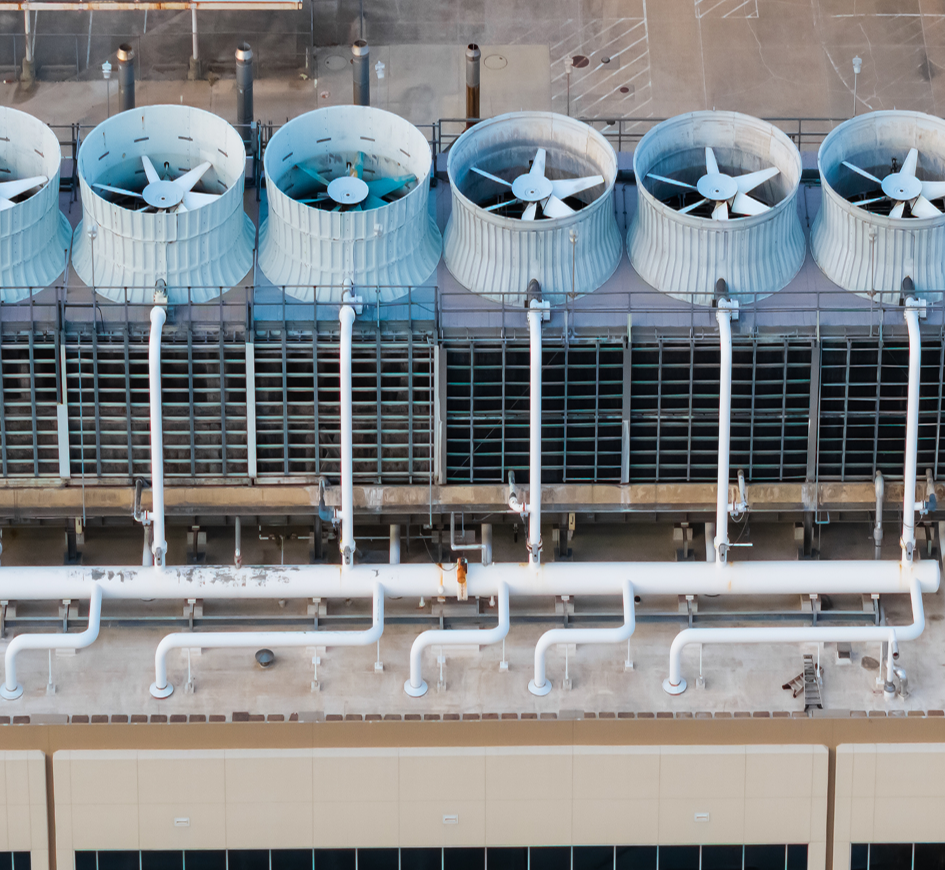
Data centers rely heavily on water,
both directly and indirectly.
Data centers’ direct water use is due to reliance on cooling systems that use significant amounts of water to manage computer temperatures. Data centers also consume water off-site (AKA “indirect water use”) when powered by coal, gas or nuclear, because these facilities also require substantial water use.

What do data centers do?
In Illinois:
According to an analysis from the Union of Concerned Scientists, from 2026 to 2050, data center load growth is estimated to increase electricity system costs in Illinois by $24 billion to $37 billion, or 15 to 24 percent.

Estimated Electricity Usage Growth
Based on current trends, data centers will account for up to 72 percent of electricity demand growth in Illinois by 2030.

Overall Electricity Demand
Illinois’ overall electricity demand could increase by more than half by 2035.

Impacts
Absent stronger policies, such as clean energy requirements for data centers, the load growth will increase pollution from Illinois’ fossil fuel power plants and rapidly escalate the state’s reliance on out-of-state electricity supply.
How Do Data Centers Affect Me?